


Long before I understood photography, I was studying films.
Not intentionally. I simply kept returning to the same movies and wondering why certain images stayed with me long after the credits ended.

The Films That Taught Me How to See
Long before photography became part of my life, cinema already was.
I didn't grow up studying cinematography. I couldn't tell you which lens had been used in a particular scene or explain the technical differences between one camera system and another. What interested me was the feeling certain films left behind. Some stories ended when the credits rolled. Others followed me home.
Years later, when I picked up a camera, I realized many of the images I was drawn to shared something in common with the films I loved.
Not the plot.
The atmosphere.
The color.
The way a frame could communicate emotion before a single word was spoken.
Spike Jonze's Her remains one of the films I return to most often. The story is beautiful, but what stays with me is the visual language. The warm reds. The soft pinks. The way Los Angeles feels both familiar and slightly detached from reality. Every frame feels intentional without drawing attention to itself. The world is stylized, yet deeply human.
Amélie affected me differently. Jean-Pierre Jeunet created a version of Paris that feels heightened, romantic, and slightly surreal. The greens, reds, and golds are impossible to separate from the story itself. The city becomes a character. Watching it taught me that color is not decoration. Color can shape the emotional experience of an image.
Then there is Interstellar.
What I admire most about Christopher Nolan's film is scale. Not just visually, but emotionally. The film constantly shifts between intimacy and vastness. A father speaking to his daughter. A spacecraft drifting through silence. A bedroom. A galaxy. Somehow both feel equally important. That contrast continues to influence the way I think about composition.
Even 500 Days of Summer left a mark on me. The film understands something many photographers eventually learn: memory is not objective. We remember moments differently than they happened. We emphasize certain details. We soften others. The film moves through emotion the same way memory does, which may be why it still resonates years later.
Looking back, I think these films taught me something that photography later confirmed.
People rarely remember perfect images.
They remember images that made them feel something.
A particular color.
A particular expression.
A particular quality of light.
The details change.
The feeling remains.
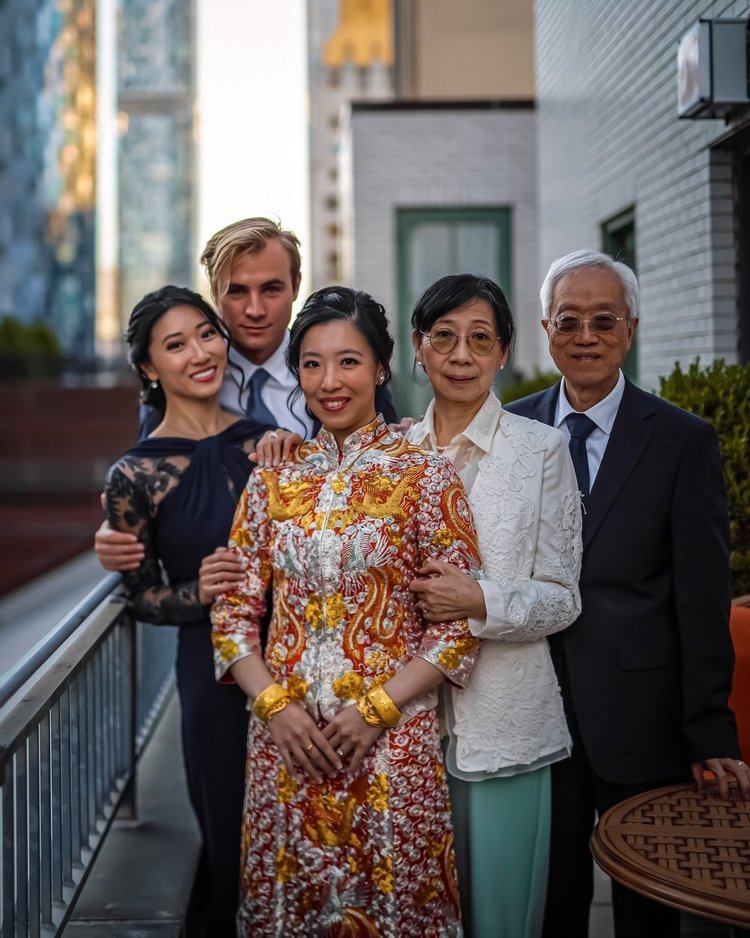
When I photograph someone today, I'm often thinking less about photography and more about cinema. Not because I want my photographs to look like movie stills, but because cinema taught me to pay attention to atmosphere. To mood. To what exists beneath the surface of a frame.
Originally, I thought I wanted to become a film director.
In some ways, that never completely disappeared.
The camera simply became smaller.
The stories became quieter.
The fascination with images remained exactly the same.